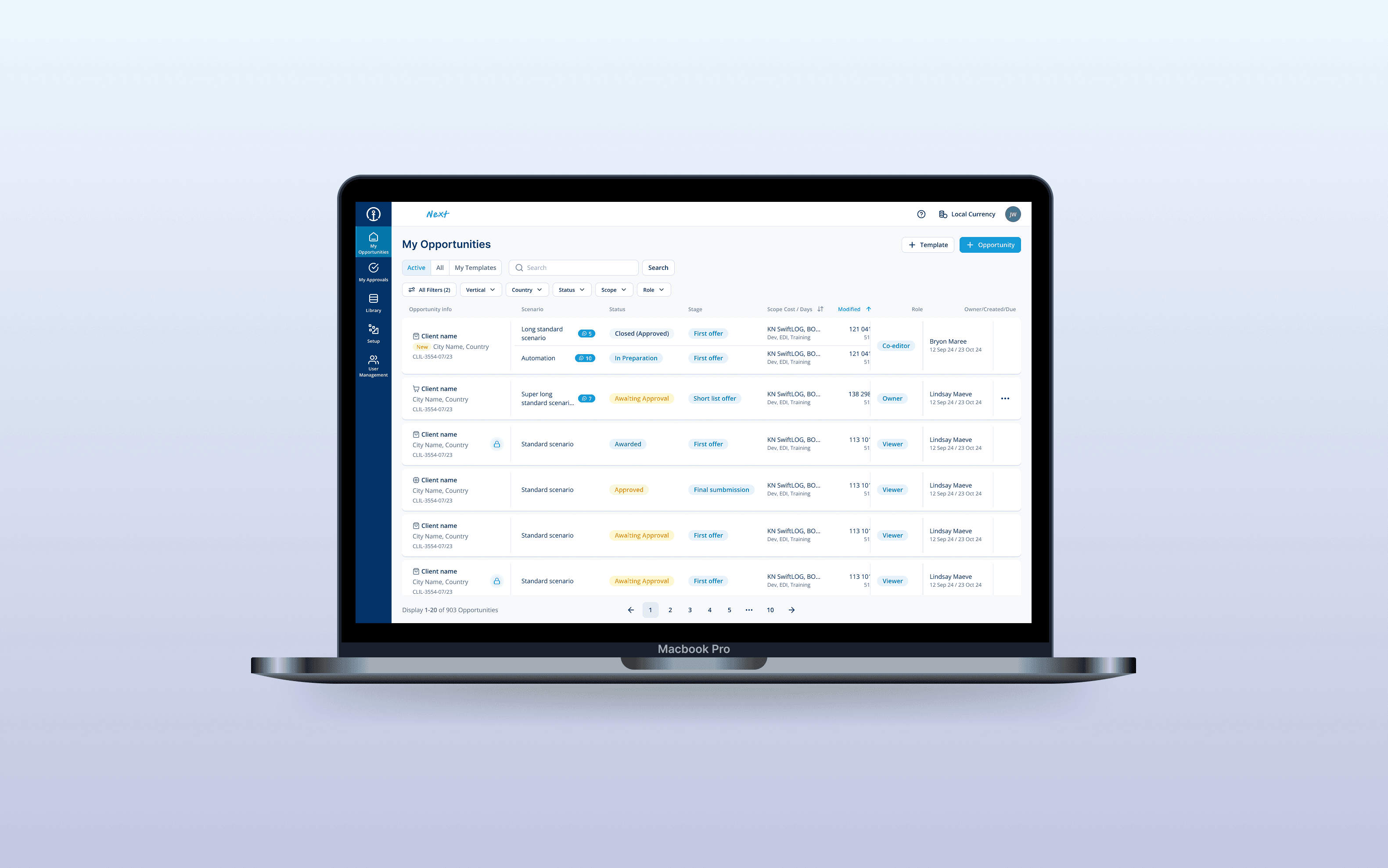
Logistics Quotation Platform
ROLE
Senior UI/UX Designer
ORG
Contract Logistic IT
TIMELINE
2023 Oct - 2026 Apr
Led product definition across business and engineering, translating ambiguous requirements into system logic, defining core workflows, and supporting continuous delivery in a complex enterprise environment.
PROJECT BACKGROUND
From legacy Excel to a scalable global product
For over 20 years, global contract logistics cost estimation relied on a fragmented Excel workflow maintained by a single employee, creating a critical operational risk and limiting scalability.
CORE CHALLENGE
This project required transforming undocumented, human-driven processes into a reliable and scalable product.
Translating implicit business knowledge into system logic
Business rules were embedded in individual experience and Excel-based thinking
Bridging business and engineering
Specifications were ambiguous, requiring translation into structured definitions
Supporting global complexity
The platform needed to handle multi-region workflows, permissions, and future system integrations
SOLUTION
01 Translating ambiguity into structured product logic
Business knowledge was fragmented across multiple structures and extensive documentation, making it difficult for users to follow and for engineering teams to implement consistently.
Before: No system-defined logic, heavy reliance on documentation
Over 200 pages of slides used as reference material.
Even after onboarding, users often relied on colleagues to create tender estimates in practice.
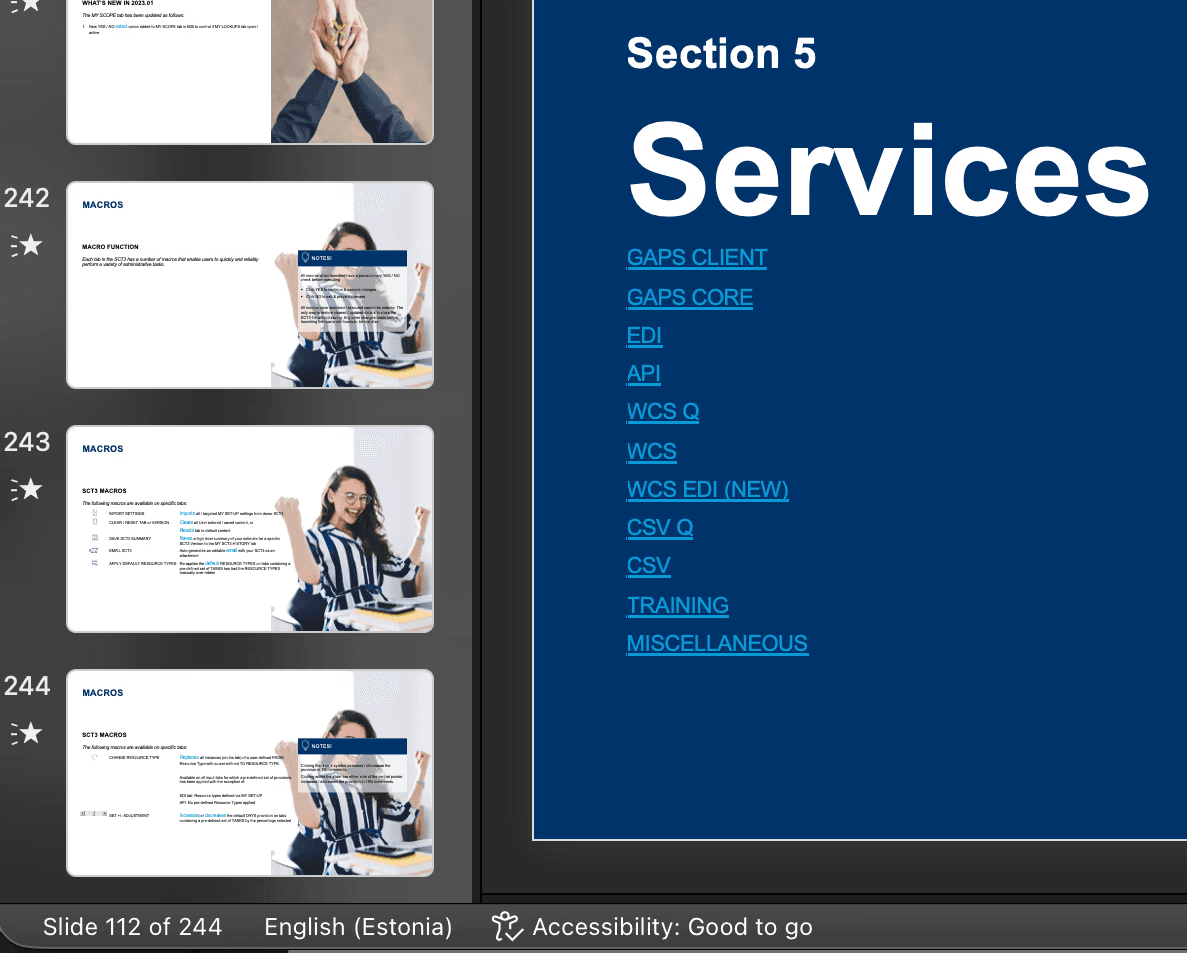
Complex workflows explained through text-heavy documentation.
Lacked a clear structure, making it difficult to understand end-to-end processes.
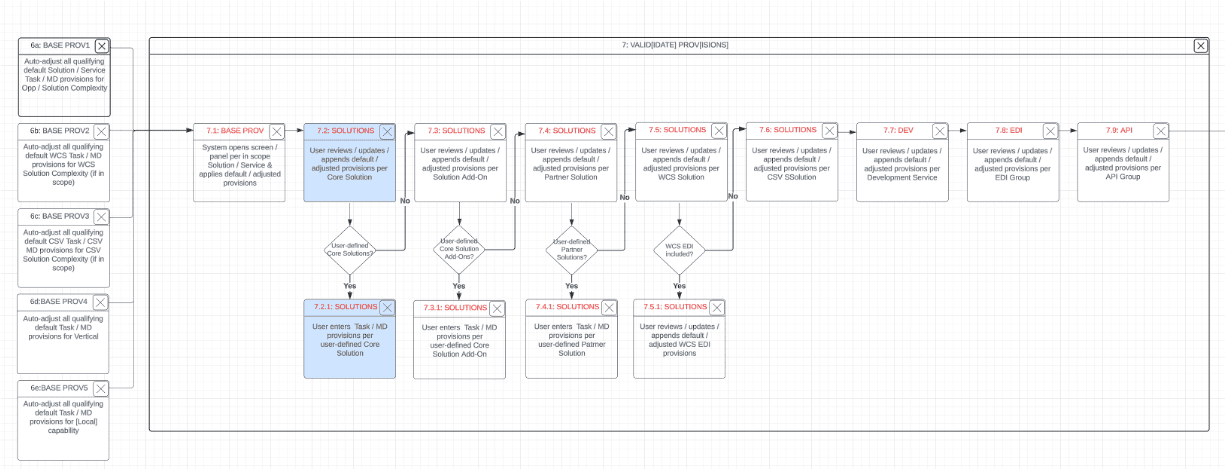
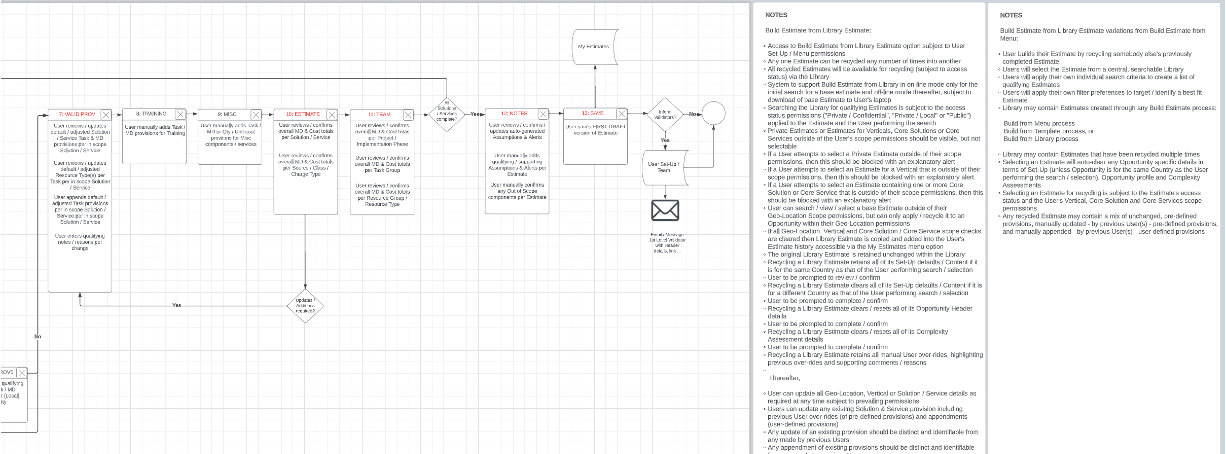
After: Unified quotation flow replacing fragmented logic
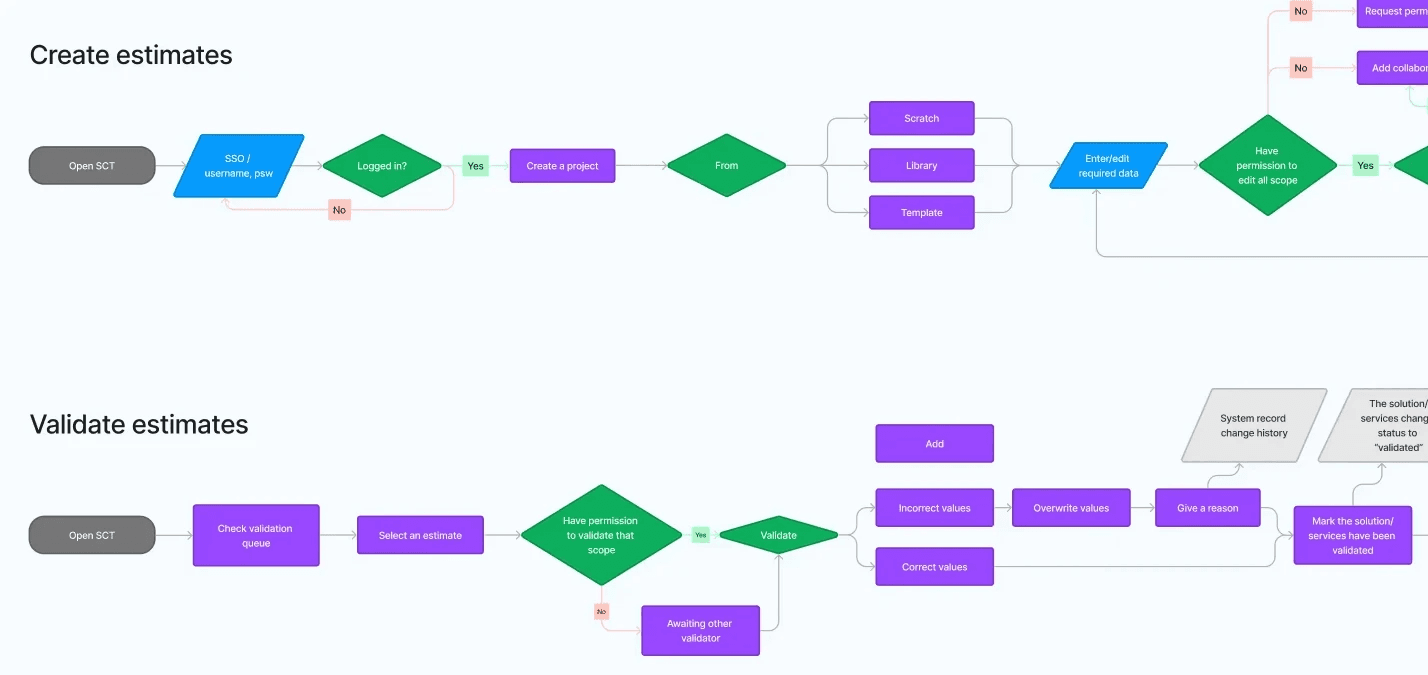
Key workflows and business rules were translated into structured system logic, defining clear user roles and end-to-end quotation flows.
Role-based quotation flow
System architecture
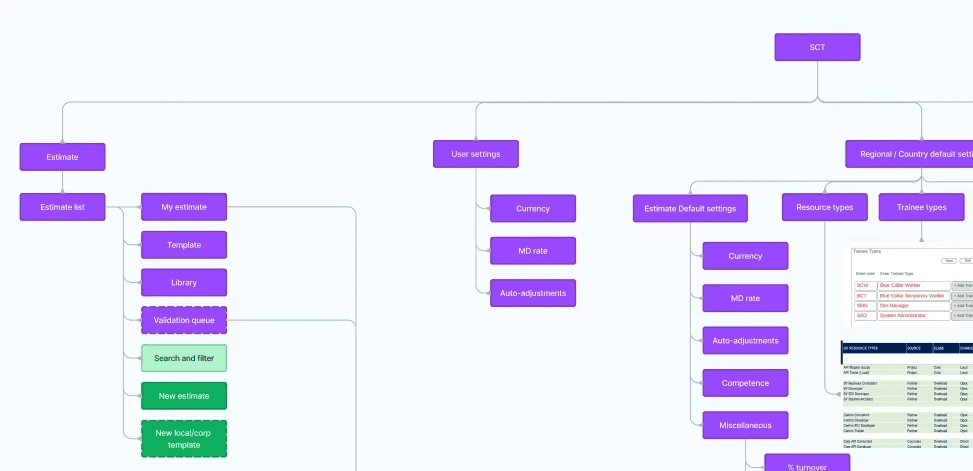
The design outputs became the source of truth, replacing fragmented documentation and aligning business, design, and engineering.
02 Validating and aligning product direction
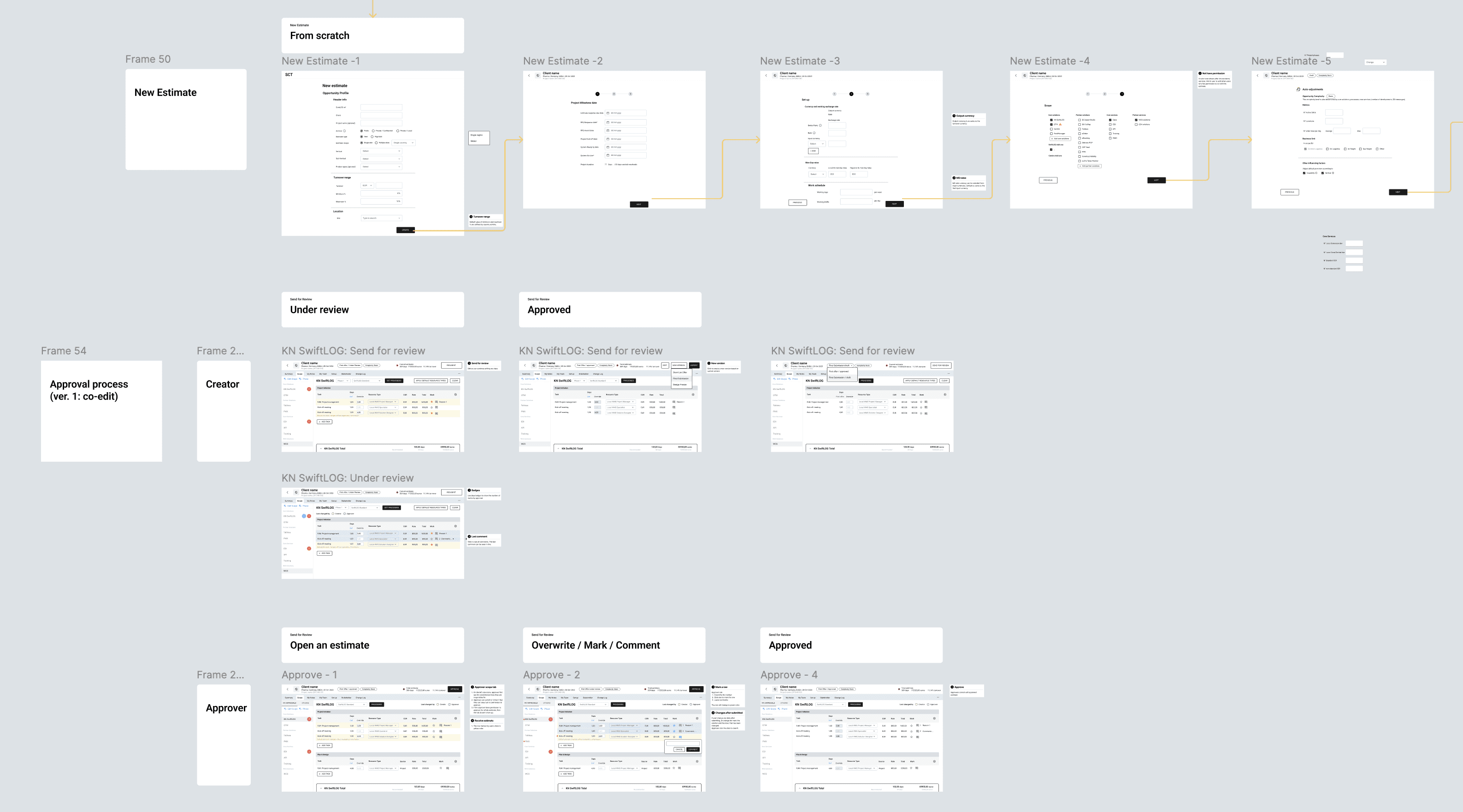
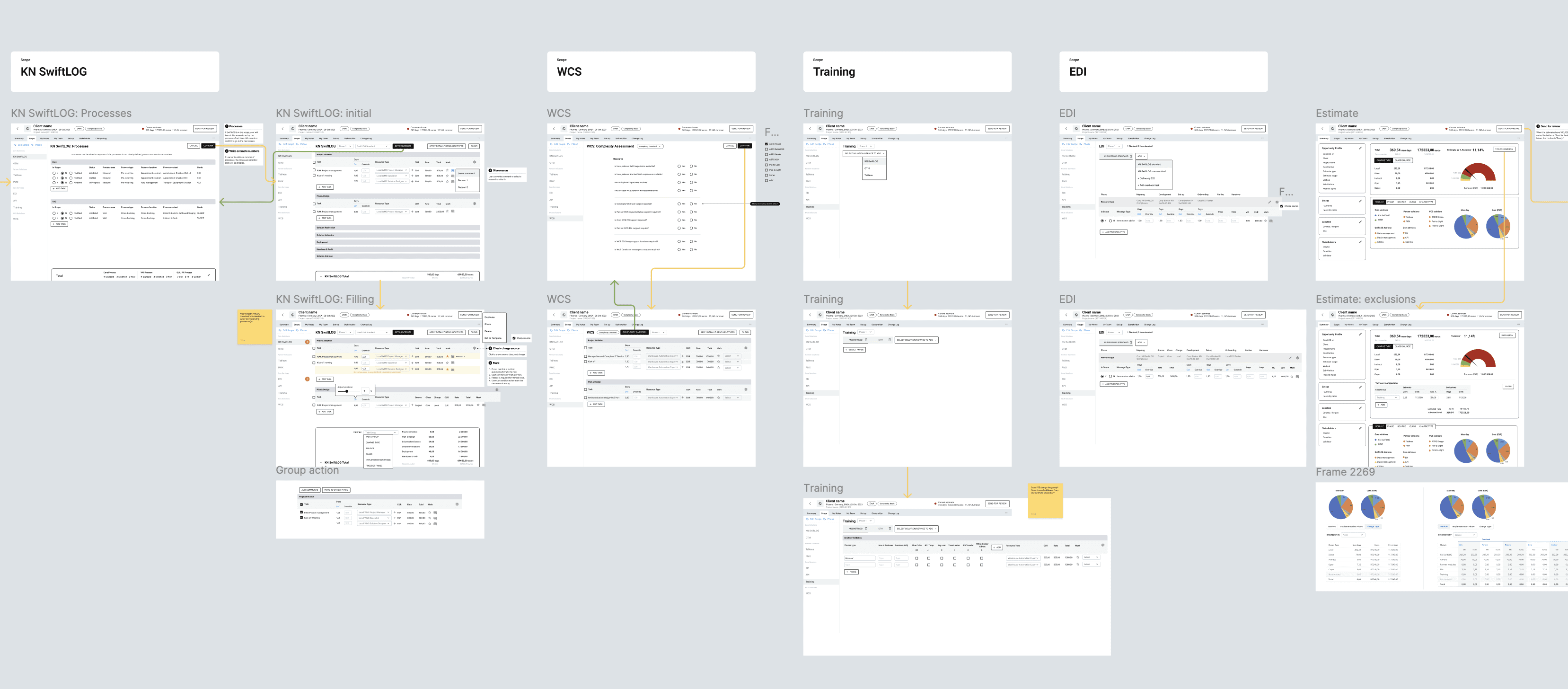
Early concepts were structured into testable flows and prototypes to validate interaction logic and align product direction across teams.
Wireframes
Defined end-to-end quotation flows to establish a shared understanding of how the system should work.
Interactive prototype
Interactive prototypes were used to validate key interactions with both stakeholders and users across regions.
To scale feedback collection, recorded walkthroughs enabled asynchronous validation across distributed teams.
Demo recordings were shared globally to collect feedback asynchronously across regions.
This reduced ambiguity early and ensured decisions were validated before development.
03 Building a decision system to drive execution
A structured decision framework was established to translate requirements into implementation-ready solutions.
Each feature followed a repeatable validation loop, aligning stakeholders, validating uncertainties, and refining solutions before development.
A decision framework for aligning and delivering features
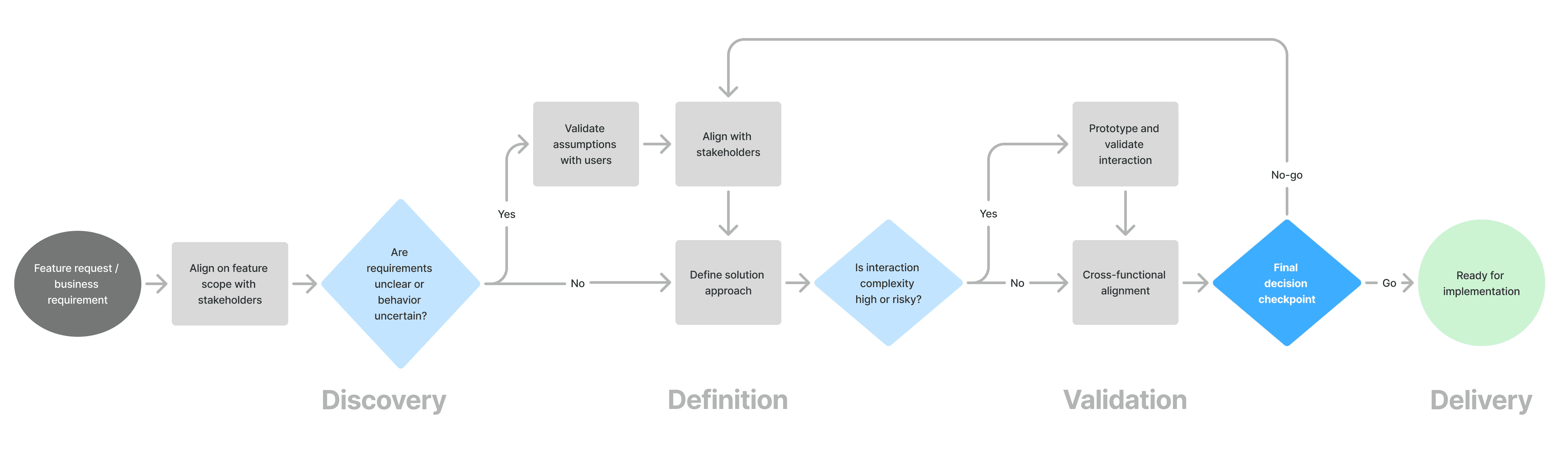
This shifted design from deliverables to a decision-making system driving execution.
OUTCOME
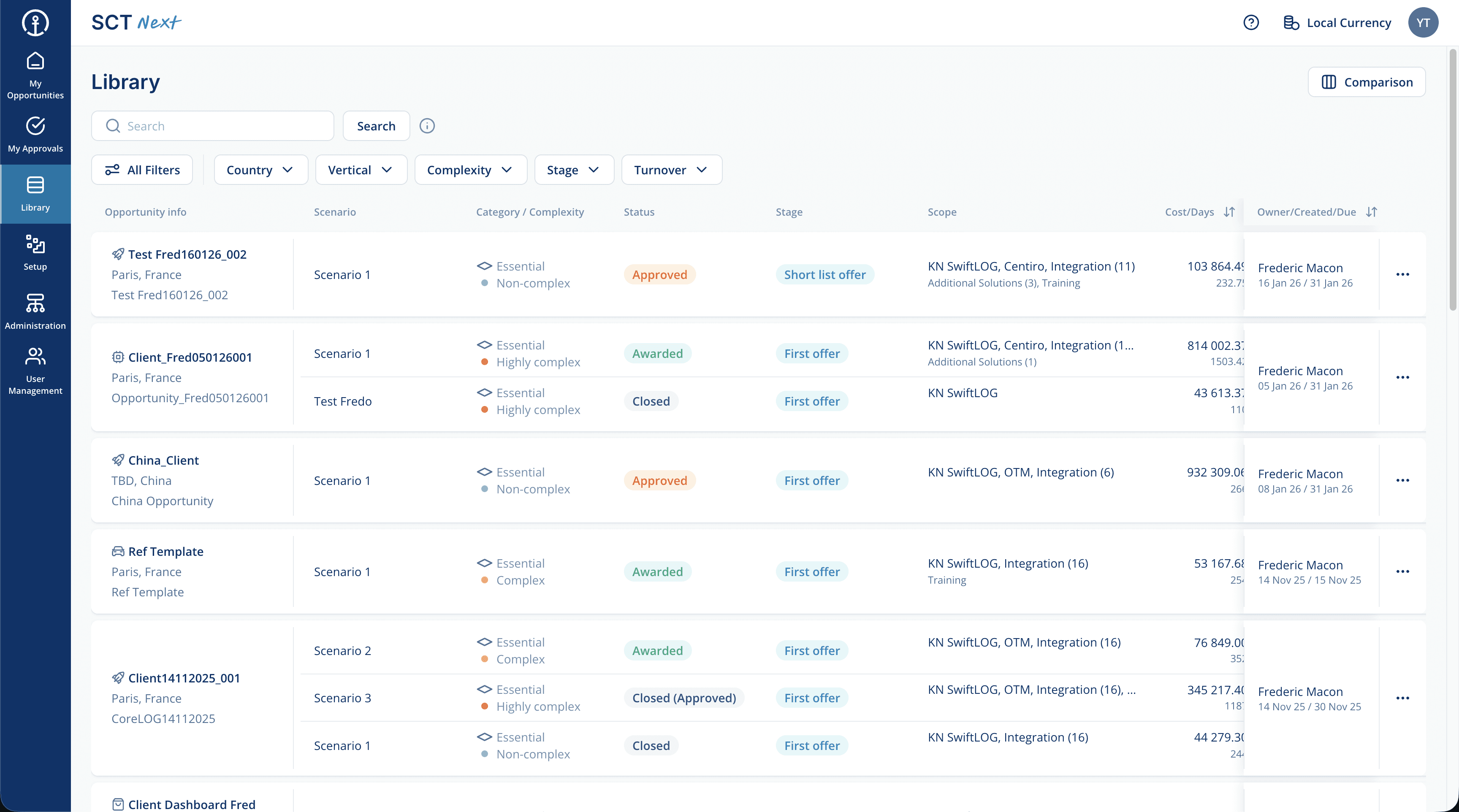
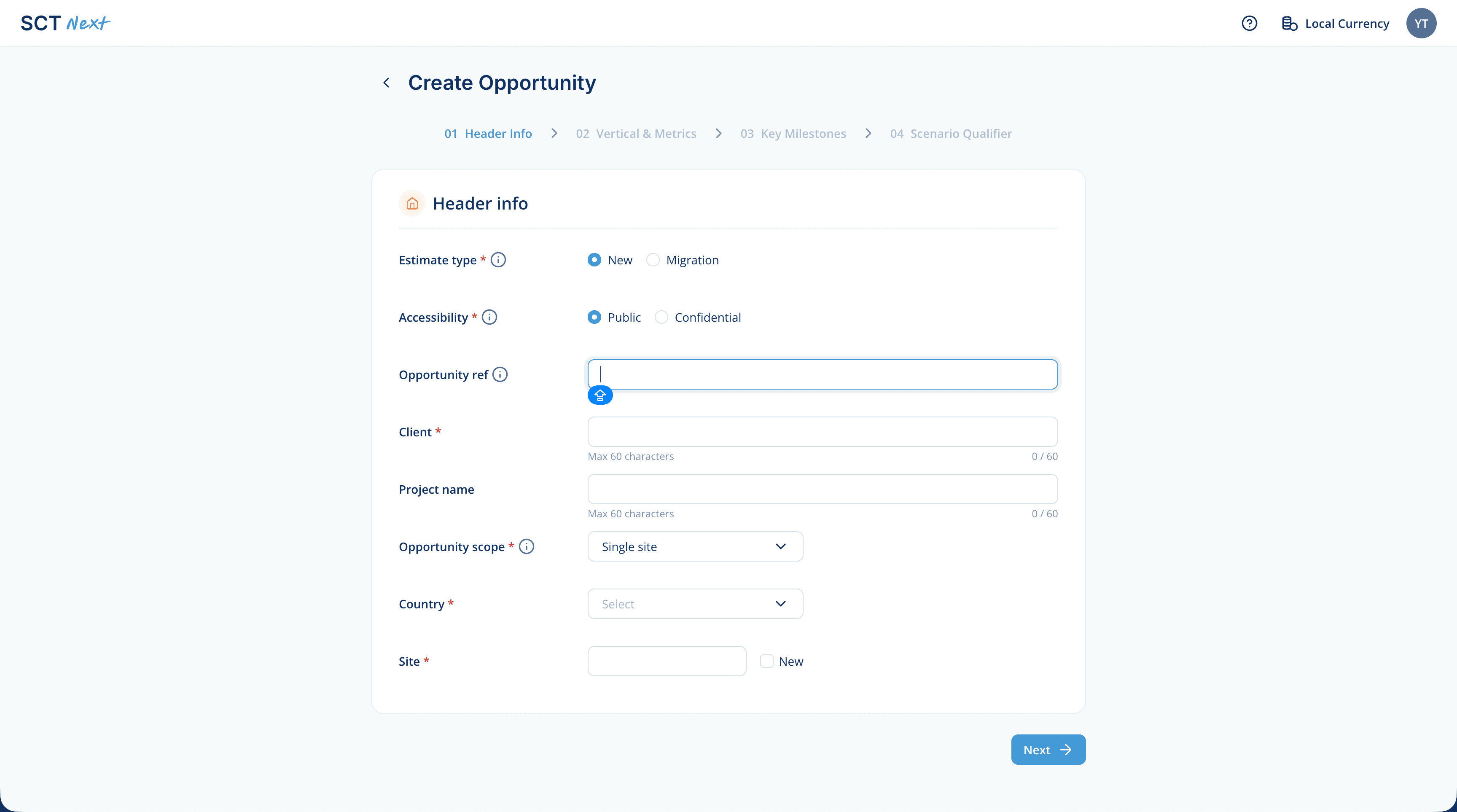
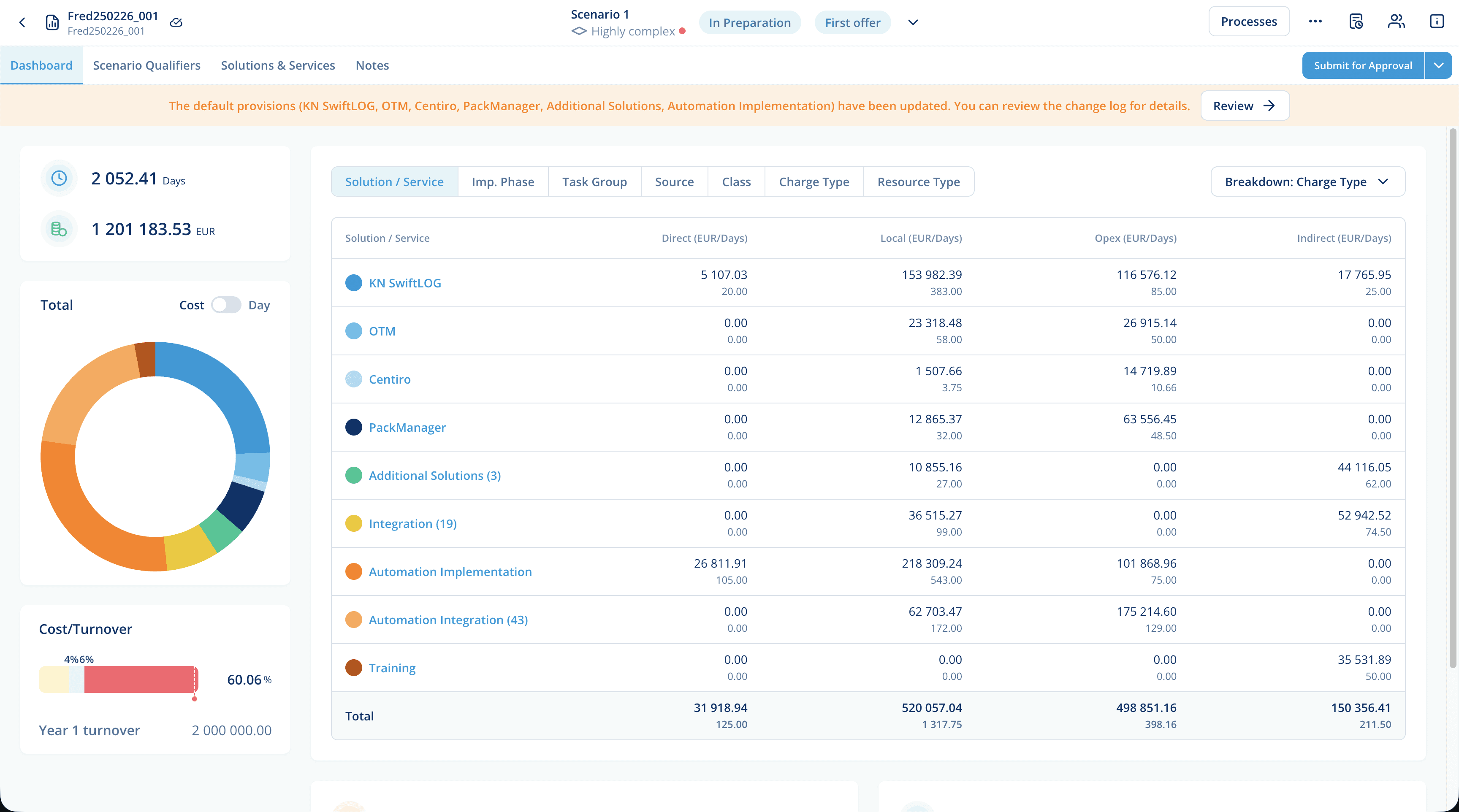
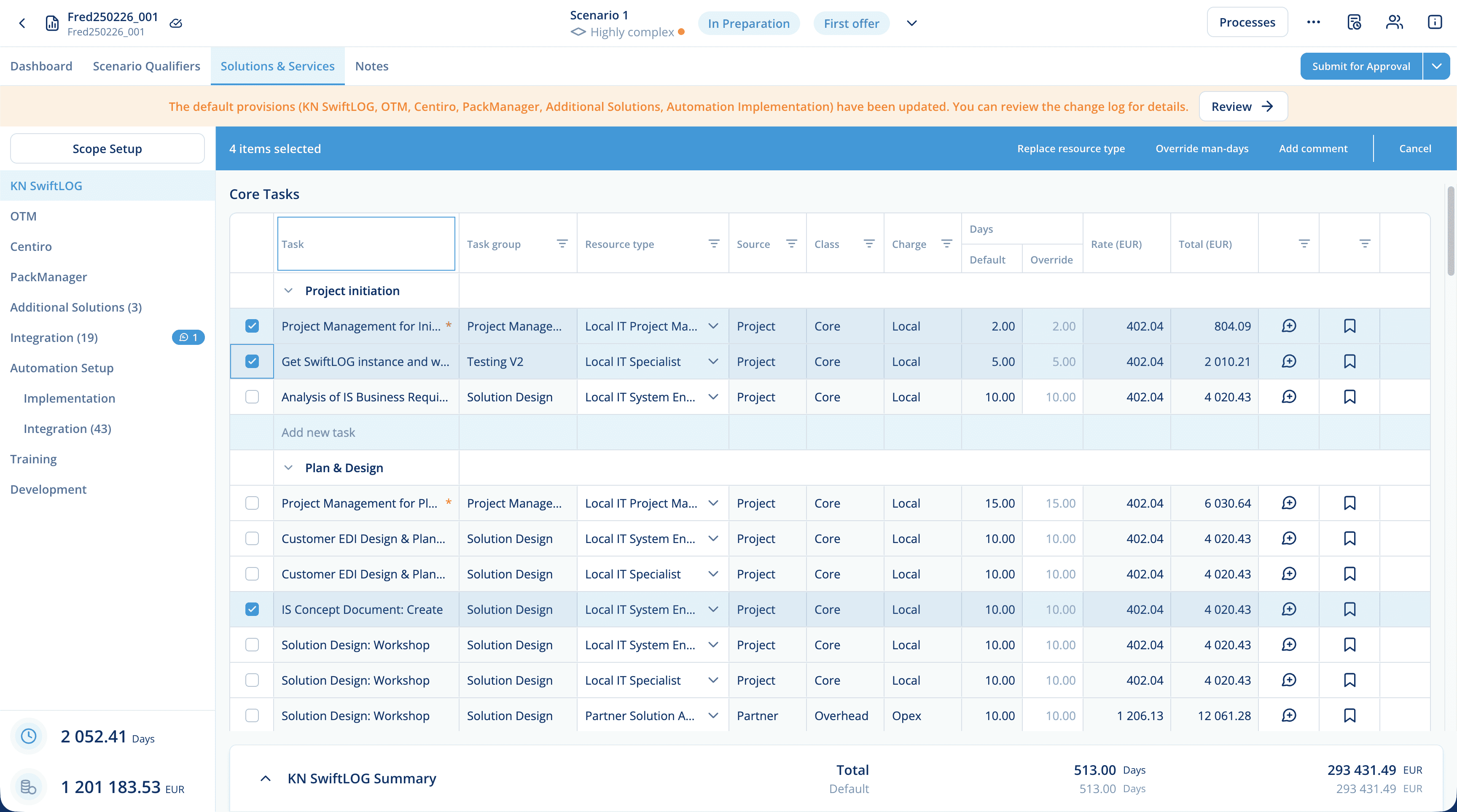
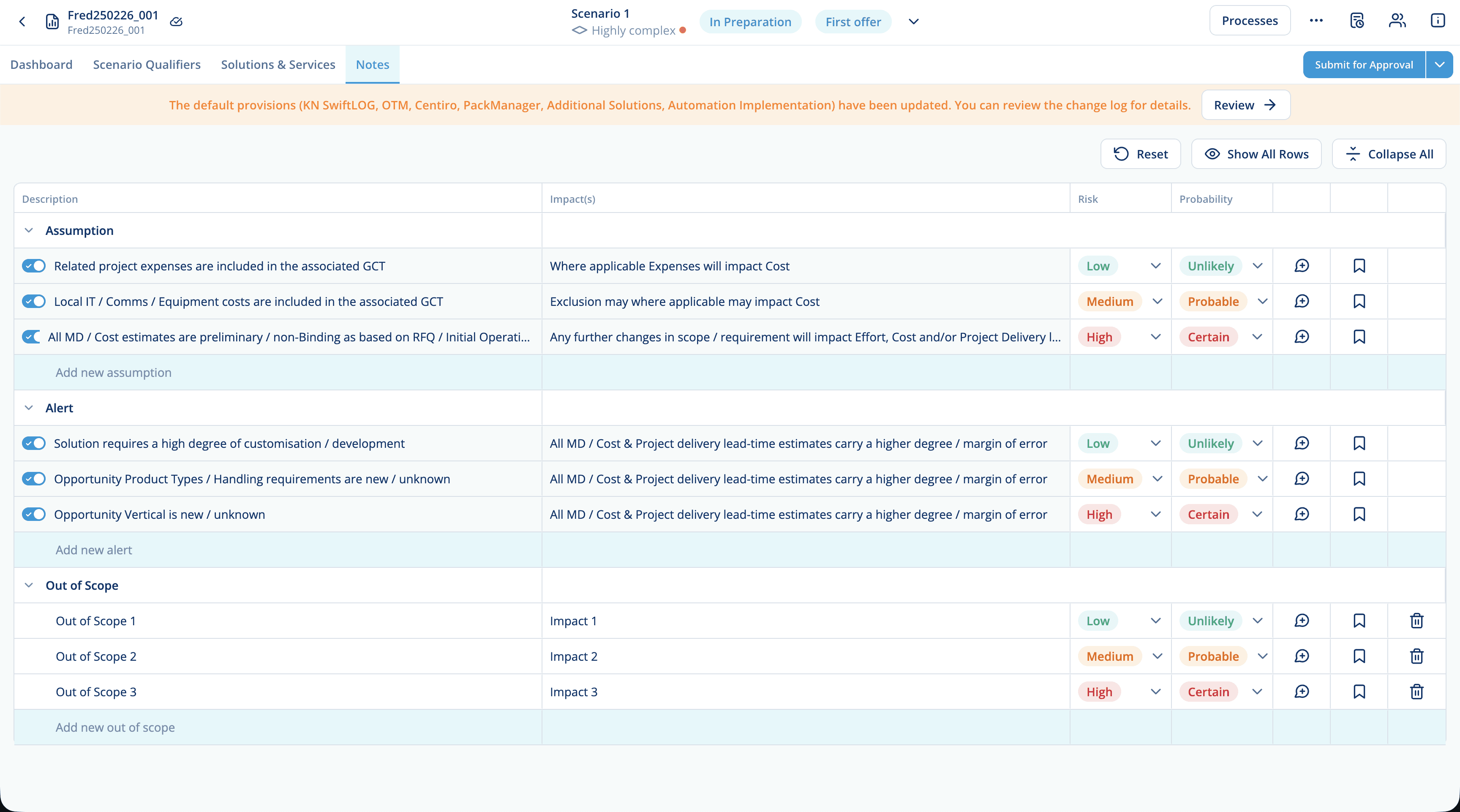
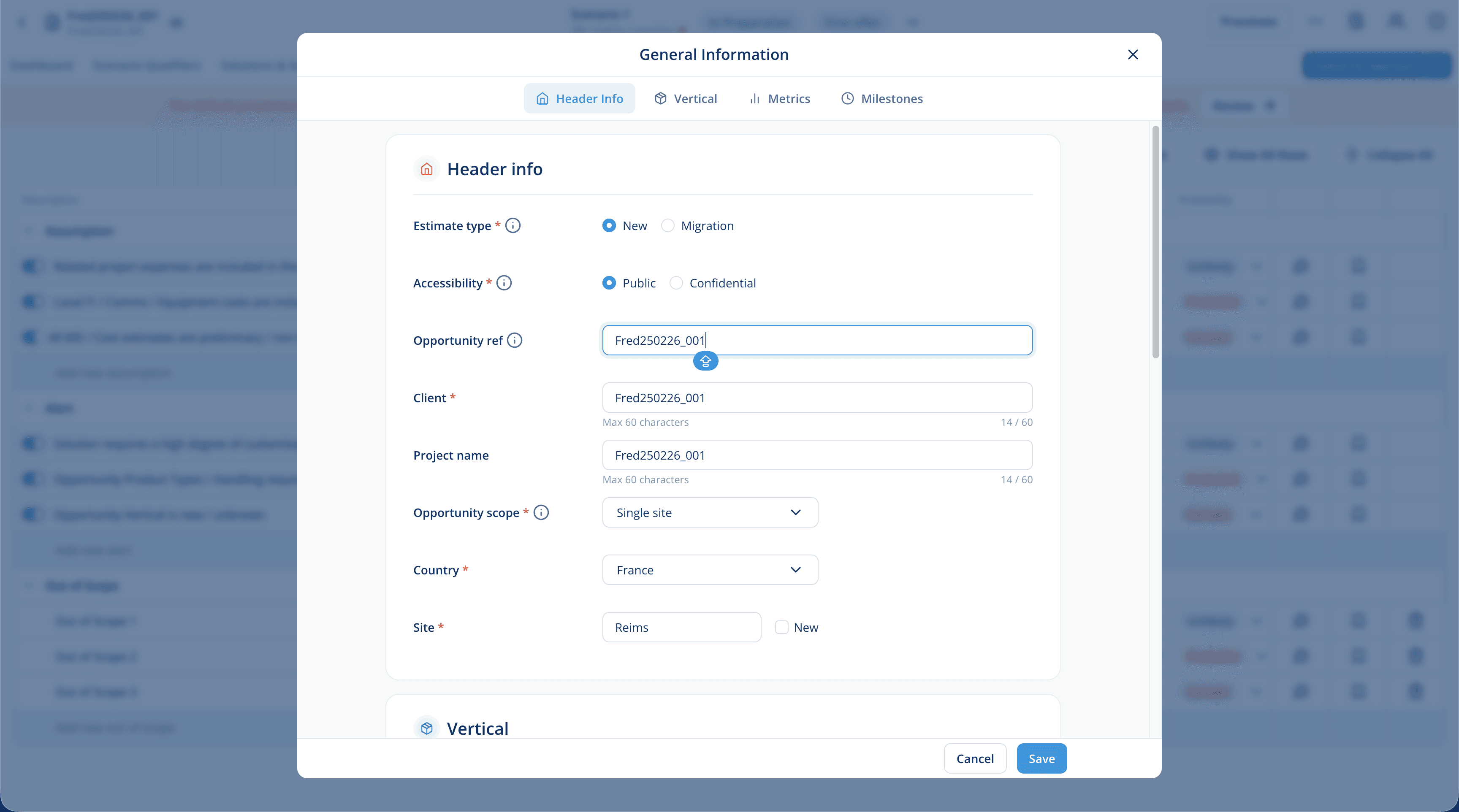
Replacing a legacy system with a scalable platform
Operational & product impact
Reduced manual work and improved efficiency across regions, enabling faster quotation creation, better visibility, and smoother onboarding.
Established a scalable system foundation with standardized workflows and architecture, supporting future integrations across the logistics ecosystem.
Feedback